Ask someone to hum a song they love after hearing it once and they will hum the melody. Nobody hums the arrangement. And yet a melody on its own is only half a song — the arrangement is what turns a tune into a world, and getting the two to agree is the core of what a studio does.
What a melody has to do
A melody has three jobs. It has to be memorable, which means it repeats something and then varies it. It has to be singable, which means it sits inside a comfortable range and breathes. And it has to carry the emotional weight of the song, which means its shape — rising, falling, holding — matches what the lyric is saying. A chorus melody that climbs will feel like an arrival; the same notes played flat and even will feel like a shrug. When we write a melody we are really writing a shape, and the shape is the argument the song is making.
There is no formula for this, but there is a discipline. We write the tune without any accompaniment first, because a melody that only works because of a lush chord underneath is a weak melody. If it stands up when sung plainly, the arrangement can only flatter it. If it does not, no amount of production rescues it.
How a hook is built
A hook is the part that gets stuck. It is usually short — four or five notes — and it usually arrives at a predictable place in the song, which is precisely what makes it stick. Building a hook is a matter of contrast: the verse melody moves, so the hook sits still; the verse sits low, so the hook reaches up. The most common mistake in commissioned music is a hook that is too complicated, so it never quite lands twice in the same way. We prefer simple hooks that a listener can predict after one hearing and still want to hear again.
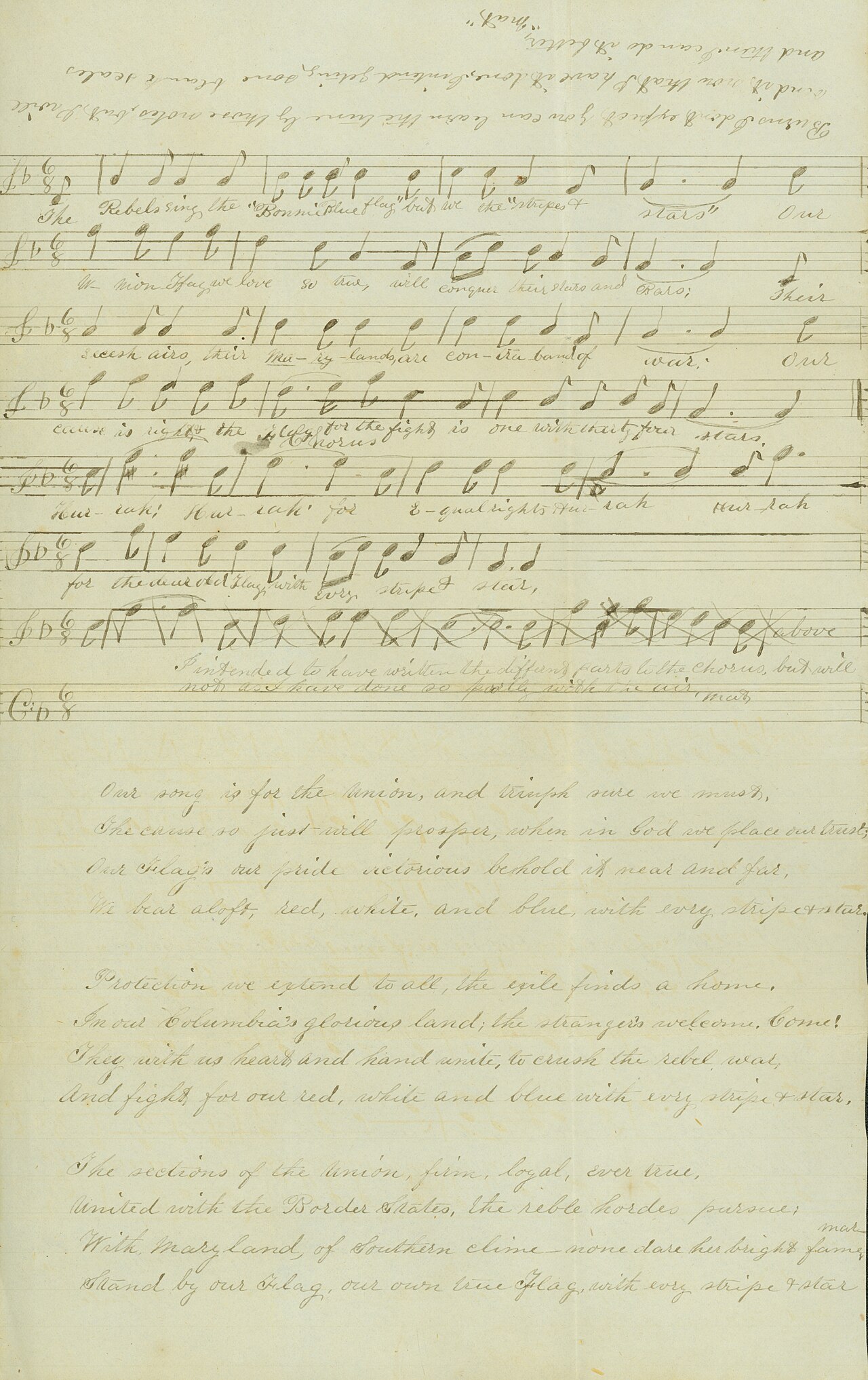
What an arrangement does
The arrangement is everything around the melody: the chords, the rhythm, the instruments, and the plan for when each element enters. Its single job is to make the melody feel inevitable. That means a rhythm section that locks, a harmonic bed that supports without crowding the tune, and a structure that knows when to add and when to strip away. An arrangement that keeps adding instruments through the whole song flattens the ending, because there is nothing left to give. We plan the arrangement as a curve of energy rather than a stack of layers.
Instrumentation
Instrumentation is chosen for function before it is chosen for taste. A low instrument anchors the harmony, a mid-range instrument carries the chords, and a high instrument catches the ear between vocal lines. When a client names an instrument they love, we find the role it can play rather than forcing it into every section. A solo violin in the last chorus is an event; a solo violin in every chorus is wallpaper. Restraint in the arrangement is usually what makes a commission sound expensive rather than busy.
Structure and dynamics
The structure of the song — which sections repeat, how long each lasts, where the biggest moment falls — is decided alongside the melody, not after it. We map the song before we record it, so the third verse earns its place and the final chorus arrives at the right moment rather than the latest possible one. Dynamics do much of this work. A quiet bar before a chorus, a single instrument under a vocal, a full stop before the last section: these are cheap moves that make expensive-sounding records.
How this applies to your commission
When you commission a custom song or a standalone arrangement, this is the stage you are buying: a melody with a shape and an arrangement built to serve it. If the song also needs a vocal or lyrics, the melody is written with the future words in mind. The process page shows how this stage fits the whole commission, and the services page sets out what each option includes.